How certification works
The Certification Process
A clear, structured path from your first application through audit, decision, and ongoing surveillance.

At a glance
Seven steps to certification
Every QualiTrust certification follows the same transparent, seven-step path.
- 1
Application
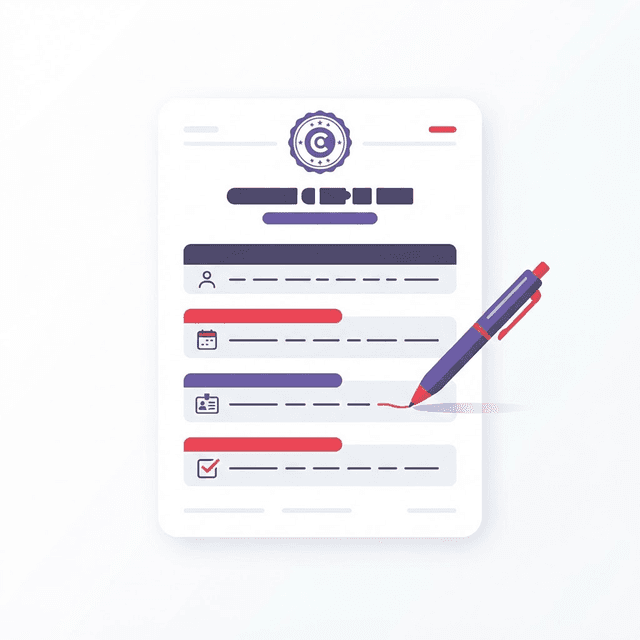
The journey begins when your organization submits a certification application to QualiTrust. In this step we collect essential information about your company, including the number of sites, employee headcount, product categories, processes, and the specific standard you wish to pursue. This information allows us to understand the size and complexity of your operation. Accurate details at this stage ensure the proposed scope and audit duration are correct. We treat all information as confidential and use it solely to prepare an appropriate certification proposal for you.
- 2
Review & Acceptance
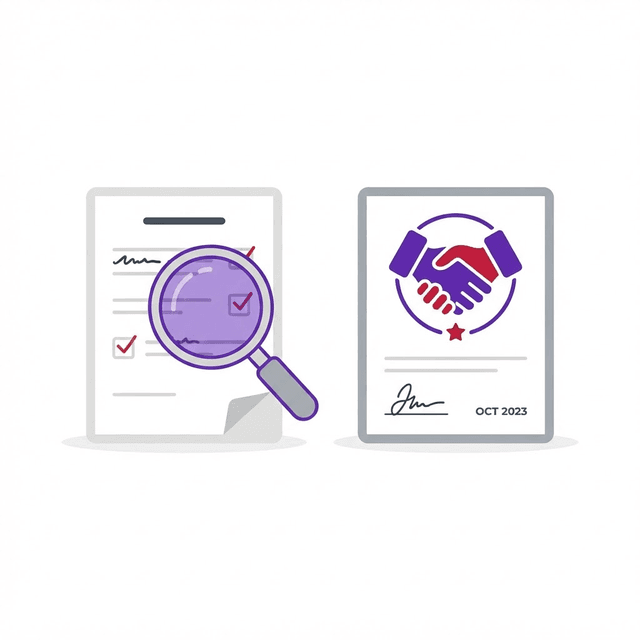
Our team reviews your application to confirm the scope, standard, and audit requirements, and to ensure QualiTrust has the competence and impartiality to perform the certification. We then prepare a formal proposal and agreement detailing the certification scope, audit stages, timeline, and fees. Once you review and accept the agreement, the certification relationship is formally established. This step confirms mutual understanding of expectations, responsibilities, and the standard being certified. Clear acceptance here prevents surprises later and sets a solid foundation for a smooth audit process.
- 3
Schedule Audit

With the agreement in place, we work with you to schedule the audit at a time that suits your operations. An appropriately qualified auditor or audit team is assigned based on the standard, sector, and language requirements. We confirm the audit dates, logistics, and any documents to be submitted in advance. For most standards the audit is delivered in two stages, and we plan the calendar so both stages align with your readiness. Careful scheduling ensures the right expertise is on site and that your team can fully participate without disrupting production.
- 4
Conduct Audit

The audit is where conformity is objectively evaluated. In the Stage 1 audit, the auditor reviews your documentation, readiness, and understanding of the standard's requirements. In the Stage 2 audit, the team assesses the implementation and effectiveness of your management system through interviews, records, and on-site observation. Any gaps between your practices and the standard are recorded as findings. Throughout the audit our auditors remain objective, evidence-based, and transparent, explaining observations as they arise. At the closing meeting you receive a clear summary of findings so there are no surprises before the report is issued.
- 5
NC & Corrective Action
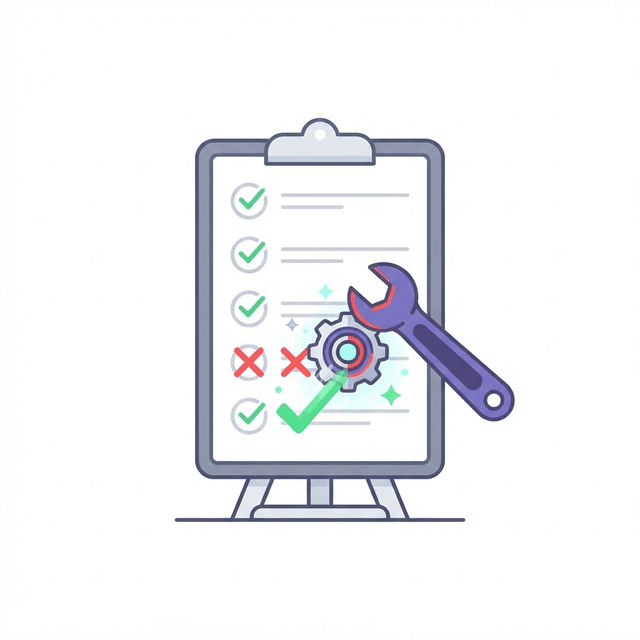
If the audit identifies nonconformities (NCs), they are documented with the relevant clause and evidence. Your organization then investigates the root cause of each nonconformity and implements corrective actions to prevent recurrence. You submit these corrective actions, along with supporting evidence, within the timeframe defined by the standard. Our auditor reviews the responses to confirm the actions are appropriate and effective. This step is a constructive part of the process, helping strengthen your management system rather than simply passing or failing, and it must be satisfactorily closed before a certification decision can be made.
- 6
Certification Decision
Once corrective actions are verified, the complete audit file is submitted for an independent certification decision. A qualified reviewer who was not part of the audit team examines the evidence, findings, and closure of nonconformities to ensure the process was impartial and the requirements were met. This separation safeguards the integrity and credibility of your certification. If all requirements are satisfied, the decision is positive and your certificate is issued, listing the certified scope and validity period. This independent review is a cornerstone of accredited certification and gives your customers confidence in the result.
- 7
Surveillance & Renewal
Certification is not a one-time event but an ongoing commitment to conformity. During the certification cycle, QualiTrust conducts scheduled surveillance audits to confirm your management system continues to operate effectively and remains compliant with the standard. These audits verify that corrective actions stay effective and that continual improvement is maintained. As the certification cycle ends, a recertification audit is performed to renew your certificate for a new period. This continuous oversight keeps your certification valid, protects the value of your certificate, and demonstrates a lasting dedication to quality and food safety.
Ready to begin your certification journey?
Request a quote or book a consultation. Our team will help you understand the right program for your organization.